AAPL 182.63 +1.23 (0.68%)
MSFT 407.54 -2.15 (0.53%)
GOOGL 156.78 +0.87 (0.56%)
AMZN 178.75 -1.32 (0.73%)
TSLA 172.63 +3.45 (2.04%)
META 465.98 +2.67 (0.58%)
NVDA 903.56 -12.34 (1.35%)

Capital Market Courses in Chandigarh

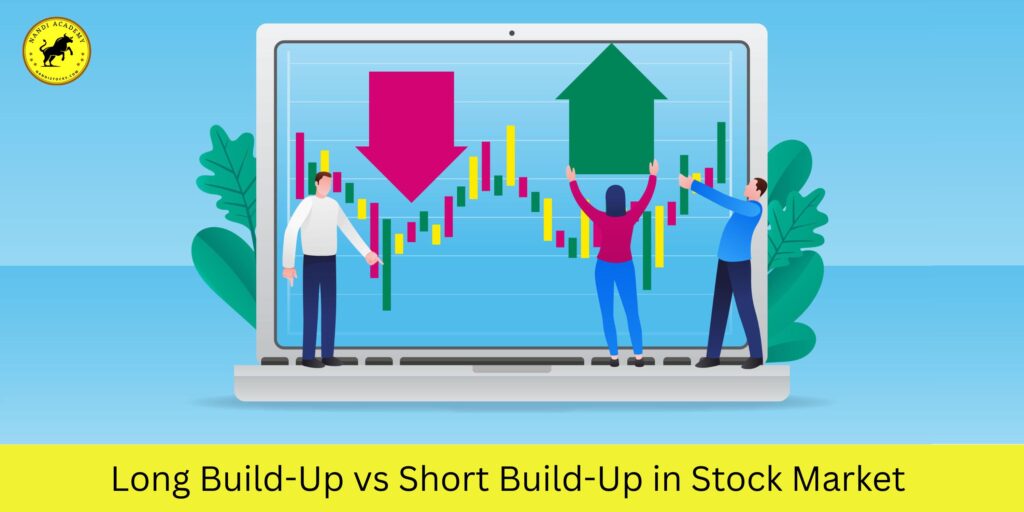
Long Build-Up vs Short Build-Up in Stock Market

Long Build-Up vs Short Build-Up: A Complete Guide for Stock Market Traders

In the stock market, price movement alone does not always reveal the real market sentiment. Many traders make the mistake of buying or selling stocks based only on price action. However, experienced traders look deeper—especially at Open Interest (OI)—to understand whether the move is strong or weak. Two important concepts used in derivatives trading are Long Build-Up and Short Build-Up. Understanding these can help you identify true trends, avoid false breakouts, and make more informed trading decisions. In this blog, we’ll explain Long Build-Up vs Short Build-Up in simple terms, with examples and practical insights for traders. What Is Open Interest (OI)? Before understanding build-ups, it’s important to know Open Interest. Open Interest refers to the total number of outstanding futures or options contracts that are not yet closed or settled. When price and OI are analyzed together, they give a clearer picture of market sentiment. What Is Long Build-Up? A Long Build-Up occurs when: What Does Long Build-Up Indicate? This situation shows that new buyers are entering the market and opening fresh long positions. Traders expect prices to rise further, which reflects strong bullish sentiment. Key Characteristics of Long Build-Up: Example of Long Build-Up: If a stock moves from ₹500 to ₹525 and Open Interest increases significantly, it suggests that traders are confidently buying the stock expecting further upside. Trading Insight: Long Build-Up confirms that the uptrend is supported by strong participation. Traders often look for buying opportunities during pullbacks in such stocks. What Is Short Build-Up? A Short Build-Up occurs when: What Does Short Build-Up Indicate? This shows that new sellers are entering the market, creating fresh short positions. Traders expect prices to fall further, indicating bearish sentiment. Key Characteristics of Short Build-Up: Example of Short Build-Up: If a stock falls from ₹800 to ₹760 and Open Interest increases, it means traders are actively selling and expecting further downside. Trading Insight: Short Build-Up confirms a strong downtrend. Traders may look for short-selling opportunities or avoid buying such stocks until sentiment changes. Long Build-Up vs Short Build-Up: Key Differences Factor Long Build-Up Short Build-Up Price Movement Increasing Decreasing Open Interest Increasing Increasing Market Sentiment Bullish Bearish Trader Behavior Fresh buying Fresh selling Trend Strength Uptrend confirmation Downtrend confirmation Why Long and Short Build-Up Are Important for Traders Understanding build-ups helps traders: Price movement without OI support can often lead to false signals. Build-up analysis adds an extra layer of confirmation. Common Mistakes Traders Make At NandiStocks, traders are taught how to combine price, volume, and Open Interest for better decision-making. Final Thoughts Long Build-Up and Short Build-Up are powerful concepts in futures and options trading. They help traders understand whether buyers or sellers are in control of the market. When used correctly, these concepts can significantly improve trading accuracy and reduce emotional decisions. If you want to master Stock Market Trading, derivatives analysis, and professional trading strategies, learning these concepts practically is essential.

Long Build-Up vs Short Build-Up: A Complete Guide for Stock Market Traders Read More »

Capital Market Courses in Chandigarh

Career Opportunities After Completing Capital Market Courses in Chandigarh

If you’ve ever dreamed of working in the exciting world of finance, completing a Capital Market Course in Chandigarh could be your first step toward a rewarding career. As India’s financial sector grows rapidly, there’s a huge demand for trained professionals who understand how the stock market and investment systems work. Let’s explore how these courses can open multiple career doors for you. What Are Capital Market Courses? Capital market courses are designed to provide in-depth knowledge about financial markets, stock exchanges, trading systems, investment analysis, and risk management. These courses cover essential concepts like equity, derivatives, mutual funds, and portfolio management — helping you become a confident market professional. Many reputed institutions in Chandigarh now offer short-term and long-term capital market courses, making it convenient for students, working professionals, and entrepreneurs to learn practical market skills. Top Career Opportunities After Completing Capital Market Courses 1. Stock Market Analyst A Stock Market Analyst studies financial trends, evaluates company performance, and predicts future price movements. If you love analyzing data and market behavior, this role offers immense growth potential. Average Salary: ₹4–8 LPASkills Required: Technical analysis, Excel, research, and financial modeling. 2. Investment Advisor As an Investment Advisor, you help clients make informed investment decisions. After completing a capital market course, you can guide individuals or firms on where and how to invest based on their financial goals. Average Salary: ₹5–10 LPACertification Needed: SEBI-Registered Investment Advisor (RIA) 3. Equity Dealer or Broker An Equity Dealer executes buy and sell orders for clients in the stock market. This role suits those who enjoy fast-paced environments and real-time decision-making. Average Salary: ₹3–6 LPAWork Areas: Brokerage firms, financial institutions, and online trading platforms. 4. Portfolio Manager A Portfolio Manager handles investment portfolios for individuals or organizations, balancing risks and returns. This is one of the most respected and high-paying roles in the financial world. Average Salary: ₹8–20 LPAIdeal For: Professionals with strong analytical and strategic thinking skills. 5. Risk Manager A Risk Manager identifies and manages potential financial risks that could impact investments or business operations. The demand for risk management professionals is growing, especially in banks and large corporations. Average Salary: ₹7–15 LPASkills Required: Quantitative analysis, financial modeling, and risk assessment tools. 6. Financial Planner Financial Planners help individuals manage their income, savings, investments, and insurance. With the right training in capital markets, you can create customized financial plans for your clients. Average Salary: ₹4–9 LPACareer Growth: Independent consulting or working with wealth management firms. 7. Research Associate If you’re interested in research and reporting, becoming a Research Associate is a great option. You’ll study companies, sectors, and macroeconomic trends to help investors make informed decisions. Average Salary: ₹3–7 LPAWork Areas: Research firms, asset management companies, and advisory firms. Why Choose Chandigarh for Capital Market Courses? Key Skills You’ll Learn Final Thoughts Completing a Capital Market Course in Chandigarh can be your gateway to a dynamic and well-paying career in the financial industry. Whether you aspire to become a trader, analyst, or advisor, the knowledge and certifications you gain will set you apart in today’s competitive job market. So, if you’re ready to take your first step into the world of finance — start your journey with a capital market course in Chandigarh today!

Career Opportunities After Completing Capital Market Courses in Chandigarh Read More »

Capital Market Courses in Chandigarh

Capital Market Courses in Chandigarh: Your Gateway to a Successful Financial Career

The financial world is full of opportunities for those who understand how the capital market works. Whether you’re a student exploring career options in finance, a working professional aiming to enhance your knowledge, or an investor looking to grow wealth strategically, enrolling in Capital Market Courses in Chandigarh can be your first step toward success. With structured learning, real-world exposure, and expert mentorship, these courses help you build strong financial acumen and open doors to a thriving career in the world of trading and investments. Let’s dive into why learning about capital markets can transform your financial future and how institutes like Nandi Stocks are helping learners become confident market professionals. What Are Capital Markets? The capital market is where savings and investments are channeled between suppliers—people or institutions with capital—and those in need of capital. These markets include both primary markets (where new securities are issued) and secondary markets (where existing securities are traded). In simple terms, it’s where companies raise funds and investors grow their wealth. Having the right knowledge of how capital markets function gives you an edge in making smarter financial decisions, managing risk, and identifying investment opportunities early. Why You Should Enroll in a Capital Market Course With the growing interest in trading and investing across India, more people want to understand how stock markets and financial systems work. A well-structured capital market course provides: When you combine theoretical understanding with live practice, you become market-ready—and that’s what leading institutes in Chandigarh aim to deliver. Why Chandigarh Is Emerging as a Hub for Capital Market Education Chandigarh has evolved into a growing center for financial education. With increasing interest from young professionals, students, and entrepreneurs, the city now hosts some of the best stock market and capital market training institutes in North India. Here’s why Chandigarh is the ideal place to start your financial journey: What You’ll Learn in a Capital Market Course A professional Capital Market Course in Chandigarh covers a wide range of topics designed to help you understand and participate in the market effectively. At Nandi Stocks, students learn through interactive sessions and hands-on practice in the live trading zone. Here’s what the typical curriculum includes: Career Opportunities After Completing the Course A capital market certification doesn’t just teach you about trading—it gives you a competitive edge in the financial sector. Once you complete the course, you can explore roles like: You can also use your skills for personal trading and investing, building an additional source of income. Why Choose Nandi Stocks for Capital Market Courses in Chandigarh At Nandi Academy of Stock Market (Nandi Stocks), we believe in learning by doing. Our goal is to make every student market-ready through a combination of theoretical learning, live trading sessions, and expert mentorship. Here’s what makes us stand out: Whether you want to become a professional trader, an investor, or simply improve your financial literacy, Nandi Stocks provides the right platform to get started. Who Can Join the Course The Capital Market Course in Chandigarh is ideal for: There are no strict prerequisites—just curiosity and a willingness to learn. Final Thoughts Enrolling in a Capital Market Course in Chandigarh is one of the smartest decisions you can make for your career and financial growth. The stock market is not about luck—it’s about learning, discipline, and strategy. With the right education, guidance, and hands-on experience from Nandi Stocks, you can take control of your financial future and step confidently into the world of trading and investing.

Capital Market Courses in Chandigarh: Your Gateway to a Successful Financial Career Read More »