AAPL 182.63 +1.23 (0.68%)
MSFT 407.54 -2.15 (0.53%)
GOOGL 156.78 +0.87 (0.56%)
AMZN 178.75 -1.32 (0.73%)
TSLA 172.63 +3.45 (2.04%)
META 465.98 +2.67 (0.58%)
NVDA 903.56 -12.34 (1.35%)

December 2025

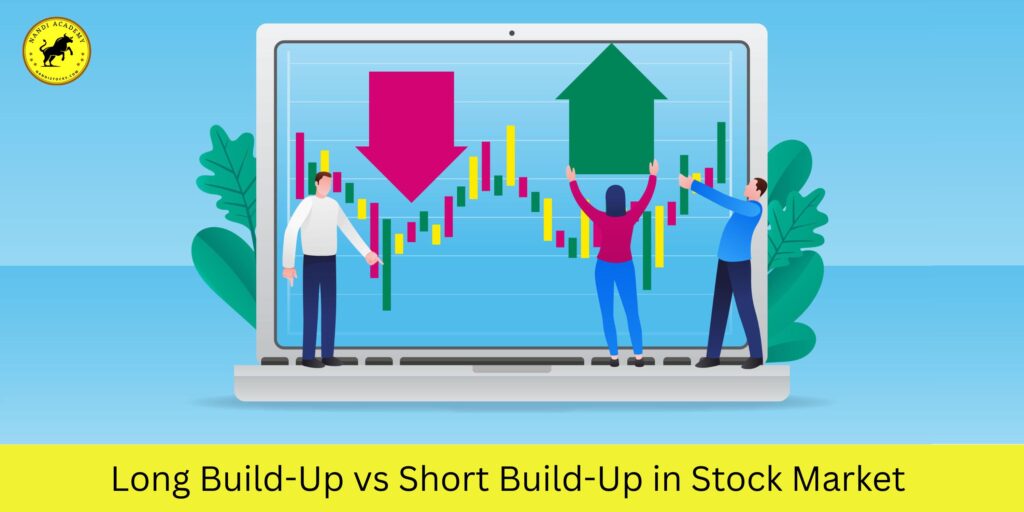
Long Build-Up vs Short Build-Up in Stock Market

Long Build-Up vs Short Build-Up: A Complete Guide for Stock Market Traders

In the stock market, price movement alone does not always reveal the real market sentiment. Many traders make the mistake of buying or selling stocks based only on price action. However, experienced traders look deeper—especially at Open Interest (OI)—to understand whether the move is strong or weak. Two important concepts used in derivatives trading are Long Build-Up and Short Build-Up. Understanding these can help you identify true trends, avoid false breakouts, and make more informed trading decisions. In this blog, we’ll explain Long Build-Up vs Short Build-Up in simple terms, with examples and practical insights for traders. What Is Open Interest (OI)? Before understanding build-ups, it’s important to know Open Interest. Open Interest refers to the total number of outstanding futures or options contracts that are not yet closed or settled. When price and OI are analyzed together, they give a clearer picture of market sentiment. What Is Long Build-Up? A Long Build-Up occurs when: What Does Long Build-Up Indicate? This situation shows that new buyers are entering the market and opening fresh long positions. Traders expect prices to rise further, which reflects strong bullish sentiment. Key Characteristics of Long Build-Up: Example of Long Build-Up: If a stock moves from ₹500 to ₹525 and Open Interest increases significantly, it suggests that traders are confidently buying the stock expecting further upside. Trading Insight: Long Build-Up confirms that the uptrend is supported by strong participation. Traders often look for buying opportunities during pullbacks in such stocks. What Is Short Build-Up? A Short Build-Up occurs when: What Does Short Build-Up Indicate? This shows that new sellers are entering the market, creating fresh short positions. Traders expect prices to fall further, indicating bearish sentiment. Key Characteristics of Short Build-Up: Example of Short Build-Up: If a stock falls from ₹800 to ₹760 and Open Interest increases, it means traders are actively selling and expecting further downside. Trading Insight: Short Build-Up confirms a strong downtrend. Traders may look for short-selling opportunities or avoid buying such stocks until sentiment changes. Long Build-Up vs Short Build-Up: Key Differences Factor Long Build-Up Short Build-Up Price Movement Increasing Decreasing Open Interest Increasing Increasing Market Sentiment Bullish Bearish Trader Behavior Fresh buying Fresh selling Trend Strength Uptrend confirmation Downtrend confirmation Why Long and Short Build-Up Are Important for Traders Understanding build-ups helps traders: Price movement without OI support can often lead to false signals. Build-up analysis adds an extra layer of confirmation. Common Mistakes Traders Make At NandiStocks, traders are taught how to combine price, volume, and Open Interest for better decision-making. Final Thoughts Long Build-Up and Short Build-Up are powerful concepts in futures and options trading. They help traders understand whether buyers or sellers are in control of the market. When used correctly, these concepts can significantly improve trading accuracy and reduce emotional decisions. If you want to master Stock Market Trading, derivatives analysis, and professional trading strategies, learning these concepts practically is essential.

Long Build-Up vs Short Build-Up: A Complete Guide for Stock Market Traders Read More »

Stock Trading Courses in Panchkula

Stock Trading Courses in Panchkula – Learn to Trade the Smart Way

Stock trading isn’t just for people in suits sitting in front of multiple screens anymore. Today, anyone with the right knowledge, mindset, and guidance can participate in the stock market confidently. That’s exactly why Stock Trading Courses in Panchkula are gaining massive popularity. Why Stock Trading Skills Matter Today Think of the stock market like driving a car. You can jump in without learning, but the chances of crashing are high. Stock trading courses teach you how to drive safely, read the road signs, and reach your destination without panic. Growing Interest in Stock Market Learning in Panchkula With rising awareness, better internet access, and growing financial aspirations, Panchkula has become a hotspot for people eager to learn stock trading professionally. What Are Stock Trading Courses? Stock trading courses are structured programs designed to teach you how financial markets work and how to trade profitably with discipline. Beginner to Advanced Learning Path From understanding what a share is to mastering advanced options strategies, these courses cover everything step by step. Types of Trading Covered Equity Trading Buying and selling shares for short-term or long-term gains. Intraday Trading Fast-paced trades within the same trading day. Swing & Positional Trading Holding stocks for days or weeks to capture bigger moves. Futures & Options (F&O) Advanced trading instruments for skilled traders. Why Choose Stock Trading Courses in Panchkula Local Market Demand & Opportunities Panchkula’s proximity to Chandigarh makes it a perfect learning hub with a growing financial community. Classroom + Practical Exposure Offline classes offer live interaction, real-time doubt solving, and market discussions. Affordable Fees Compared to Metro Cities You get metro-level education without metro-level costs. Overview of Nandi Stocks – A Trusted Name About Nandi Stocks Nandi Stocks is one of the most trusted institutes offering professional stock trading courses in Panchkula. Their focus is not just teaching but transforming beginners into confident traders. Mission and Teaching Philosophy Their mission is simple: Educate, Empower, and Enable people to trade independently with confidence. Courses Offered by Nandi Stocks Beginner Stock Market Course Perfect for newcomers who want to understand market basics without fear. Advanced Trading Program Designed for traders who want consistent profitability. Options Trading & Derivatives Course Specialized training for F&O traders with risk-managed strategies. Professional Trader Mentorship Program One-on-one mentorship for serious traders who want long-term success. What Makes Nandi Stocks Different Live Market Training Learning while the market is open is like learning swimming in water, not on land. Practical Strategies Over Theory No boring textbook definitions—only strategies that actually work. One-to-One Mentorship Personal attention ensures faster learning and fewer mistakes. Lifetime Support & Community Access Even after the course, guidance never stops. Course Curriculum Breakdown Stock Market Basics Understanding exchanges, indices, sectors, and instruments. Technical Analysis Chart Patterns Support, resistance, breakouts, and trends. Indicators & Oscillators RSI, MACD, Moving Averages, and more. Fundamental Analysis Company financials, balance sheets, and valuation methods. Risk & Money Management Protecting capital is more important than chasing profits. Trading Psychology Mastering emotions—fear, greed, and discipline. Who Should Join These Courses College Students Build skills early and create income opportunities. Working Professionals Add a second income stream without quitting your job. Business Owners Grow idle funds intelligently. Housewives & Retirees Flexible learning with financial empowerment. Online vs Offline Stock Trading Courses Benefits of Offline Learning in Panchkula Face-to-face learning builds confidence and clarity faster. Hybrid Learning Model at Nandi Stocks Combination of classroom sessions and online support. Career Opportunities After Stock Trading Courses Independent Trader Trade full-time or part-time from anywhere. Portfolio Manager Manage investments for clients or family. Trading Desk Analyst Work with financial firms or brokers. Part-Time Income Opportunities Perfect side hustle with scalable potential. How Stock Trading Helps Build Financial Freedom Power of Compounding Small consistent profits grow massively over time. Multiple Income Streams Trading complements salary, business, or investments. Common Myths About Stock Trading Trading Is Gambling Wrong—trading is skill-based when done correctly. Only Big Money Can Make Profits Discipline matters more than capital size. You Need Full-Time Commitment Even part-time traders can succeed. Tips to Choose the Best Stock Trading Course Trainer Experience Learn from active market participants. Practical Exposure Live trading is non-negotiable. Student Reviews & Results Real feedback matters more than marketing. How to Enroll at Nandi Stocks Simple Enrollment Process Visit the official website and choose your course. Contact & Website Information 👉 https://nandistocks.com/ Conclusion If you’re serious about learning the stock market the right way, enrolling in stock trading courses in Panchkula is a smart decision. With expert guidance, practical exposure, and disciplined strategies, Nandi Stocks stands out as a reliable learning partner. Whether your goal is extra income or full-time trading, the journey starts with the right education. FAQs 1. Are stock trading courses suitable for beginners? Yes, Nandi Stocks offers beginner-friendly courses starting from basics. 2. How long does it take to learn stock trading? Typically 2–6 months, depending on the course and practice level. 3. Can I trade part-time after completing the course? Absolutely. Many students trade alongside their jobs. 4. Do I need a finance background? No prior finance knowledge is required. 5. Is offline learning better than online trading courses? Offline learning provides better interaction, discipline, and clarity.

Stock Trading Courses in Panchkula – Learn to Trade the Smart Way Read More »

Stock Market Classes in Chandigarh

Can Trading Become Your Second Income? Here’s the Real Truth Beginners Need to Know

In today’s fast-paced world, everyone is looking for ways to earn extra money. A second income is no longer a luxury — it has become a necessity. From rising expenses to the desire for financial independence, people want more control over their earnings. And one question almost every ambitious individual asks is: “Can trading really become my second income?” The short answer is YES, but there’s a bigger truth behind it.Trading can become a powerful, consistent second income only when you treat it like a skill — not like a shortcut. Whether you’re a student, working professional, business owner, or freelancer, trading can help you build a smart, stable source of extra earnings. But before diving in, it’s important to understand how trading truly works, what mistakes beginners make, and how the right guidance can change everything. This blog will walk you through all of it — clearly and practically. Why Trading Is One of the Best Second-Income Options Today Trading has become one of the fastest-growing skills, especially among young professionals and students. And the reason is simple — it fits perfectly into modern lifestyles. Here’s why trading is an excellent option for a second income: ✔️ 1. You Can Trade Even If You’re Busy Unlike many side-income activities, trading doesn’t require long hours.With proper strategies, you can trade effectively in 15–30 minutes a day — before work, during a break, or after office. This makes it suitable for: You don’t need to sit in front of charts all day — you just need the right knowledge. ✔️ 2. Low Starting Capital — You Don’t Need Lakhs One of the biggest myths people have is: “I need a lot of money to start trading.” That’s completely wrong.Most traders start with ₹5,000 to ₹20,000 and slowly build their capital. Trading isn’t about how much money you start with —It’s about how well you manage and grow it. ✔️ 3. High Growth Potential Trading doesn’t limit your income.You’re not earning based on hours worked — you’re earning based on the skill you build. With the right system, your profits can grow as your knowledge grows. ✔️ 4. Skill That Stays With You Forever Once you learn trading: This is why thousands of people are now learning trading as a life-long skill. So Where Do Beginners Go Wrong? The Real Reason People Lose Money You might have heard that many people lose money in trading.That’s true — but not because trading is risky. People lose money because they trade without knowledge. Here are the most common mistakes beginners make: ❌ Trading using tips on social media ❌ Entering trades without knowing risk ❌ Using too many indicators ❌ Letting emotions control decisions ❌ Expecting profits from Day 1 ❌ Trading without a plan It’s not the market that punishes you.It’s the wrong decisions that do. When you learn the right way, trading becomes safe, structured, and powerful. The Secret to Making Trading a Second Income: Education + Practice If you truly want trading to become your second income, you need: ✔️ The right concepts ✔️ Risk-management strategies ✔️ Market psychology understanding ✔️ Chart-reading techniques ✔️ A guided practice plan This is why joining professional training matters. And if you are searching for Stock Market Classes in Chandigarh, then Nandi Academy is one of the best places to start your journey. Why Choose Nandi Academy? Nandi Academy is designed to help beginners start trading the right way—practically, safely, and confidently. Here’s what makes it different: ✔️ 1. Beginner-Friendly Teaching Style No heavy technical words.No complicated theories. You learn simple, practical concepts that you can apply from Day 1. ✔️ 2. Live Market Training Not just theory — you learn directly from the live market so you understand: This real-time learning builds confidence faster than any book or YouTube video. ✔️ 3. Strategies for Working Professionals & Students Every learner gets trading plans that fit into their schedule: ✔️ 4. Start With Small Capital You don’t need big money.Nandi Academy teaches you how to start smart and safe with minimum capital. ✔️ 5. Expert Guidance & Long-Term Support Trading requires discipline and practice.Nandi Academy supports you with: This guidance helps you grow steadily — without emotional decisions or confusion. Your Roadmap to Becoming a Second-Income Trader Here’s the step-by-step journey Nandi Academy teaches every beginner: STEP 1: Master the Basics Learn charts, candlesticks, trends, and support/resistance. STEP 2: Learn One Strategy at a Time Don’t chase multiple patterns — stick to one proven system. STEP 3: Start With Small Trades Learn with control and protect your capital. STEP 4: Manage Your Risk Risk management is the heart of successful trading. STEP 5: Build Discipline Follow rules, avoid emotional trading, and keep your mindset strong. STEP 6: Scale Gradually As you gain confidence, slowly increase your position size. So… Can Trading Become Your Second Income? The answer is YES — 100% YES.But only when you: ✔️ Learn the right strategies✔️ Follow the rules✔️ Practice consistently✔️ Get the right guidance Trading is not a gamble.It is a skill, and like any skill, it can change your financial future if learned properly. If you’re serious about building a second income that grows with time,then start your journey with the best Stock Market Classes in Chandigarh at Nandi Academy. Ready to Begin Your Trading Journey? If you want a clear roadmap, structured training, and guided practice that actually works… Nandi Academy is here to help you turn trading into a reliable second income.

Can Trading Become Your Second Income? Here’s the Real Truth Beginners Need to Know Read More »

Failed Breakout Case Study

Why Most Traders Lost Money in Stock ‘Y’: A Case Study of a Failed Breakout

Breakouts are one of the most popular trading strategies used by retail and professional traders alike. When a stock breaks above a key resistance level with good volume, most traders assume the trend will continue—and many jump in expecting quick profits. However, not every breakout is genuine. In fact, a large percentage of breakout trades fail, trapping traders and causing sudden losses. In this case study, we analyse Stock ‘Y’, a real-world example of a failed breakout, why so many traders entered at the wrong time, and the lessons every trader should learn from this type of setup. What Is a Failed Breakout? A failed breakout happens when: Stock ‘Y’ is a perfect example of this pattern. Case Study Overview: What Happened in Stock ‘Y’? Stock ‘Y’ had been consolidating in a tight range for nearly three weeks. The resistance level was clear at ₹245. On the breakout day: In just a few hours, a promising breakout turned into a painful trap. Why Most Traders Lost Money — 5 Key Reasons 1. Traders Ignored the Weak Volume Quality Although volume looked “higher than usual,” it wasn’t institutional volume.Most of the volume spike came from retail enthusiasm. Breakouts driven by retail traders are weak, because they lack the power needed to sustain momentum. 2. Breakout Happened at an Overextended Level Stock ‘Y’ had already: This means the breakout occurred when the stock was already overbought, increasing the probability of reversal. 3. The Candle That Broke Out Was Not Strong A genuine breakout candle usually: But Stock ‘Y’ showed: This was an early warning sign. 4. Traders Entered Too Emotionally (FOMO Trading) Many traders entered just because: But they didn’t check: Emotional entries are the biggest cause of losses. 5. Stop-Loss Placement Was Wrong Even experienced traders placed their stop-loss: When the price dropped slightly, thousands of SLs were hit, causing a chain reaction of selling. A tight SL in a volatile breakout setup is one of the most common reasons for unexpected losses. What a Smart Trader Would Have Done Differently ✔ 1. Wait for a Retest Instead of buying the instant the stock crossed resistance, a patient trader waits for: This reduces the risk of entering a false breakout. ✔ 2. Check for Market Correlation On the day of the breakout: Entering bullish trades in a weak market increases failure risk. ✔ 3. Compare Volume Sources Institutional volume = big green bars with stable buyingRetail volume = erratic spikes with wicks Stock ‘Y’ showed the second type. ✔ 4. Analyze Candlestick Strength The breakout candle lacked conviction—an early signal to stay cautious. ✔ 5. Use Logical Stop-Loss Levels Instead of tight stops just below resistance, better SLs could be placed: A logical SL protects traders from normal volatility. Key Lessons Traders Should Remember The Stock ‘Y’ case is a reminder that patience and confirmation are more important than excitement and speed. Final Thoughts Breakout trading can be highly profitable when done correctly. But traders often lose money because they act too quickly, ignore warning signs, or chase the market without discipline. The failed breakout in Stock ‘Y’ offers one clear lesson: 👉 A breakout is not confirmed until the price holds above resistance with strong momentum.

Why Most Traders Lost Money in Stock ‘Y’: A Case Study of a Failed Breakout Read More »

Want to grow your money smartly?

🚀 Learn Trading | 📊 Master Stock Market Skills | 💡 Get Expert Mentorship